
Exploring the relationship between technological possibility, organizational progress and human purpose.
A perspective shaped by retail,
e-commerce and AI

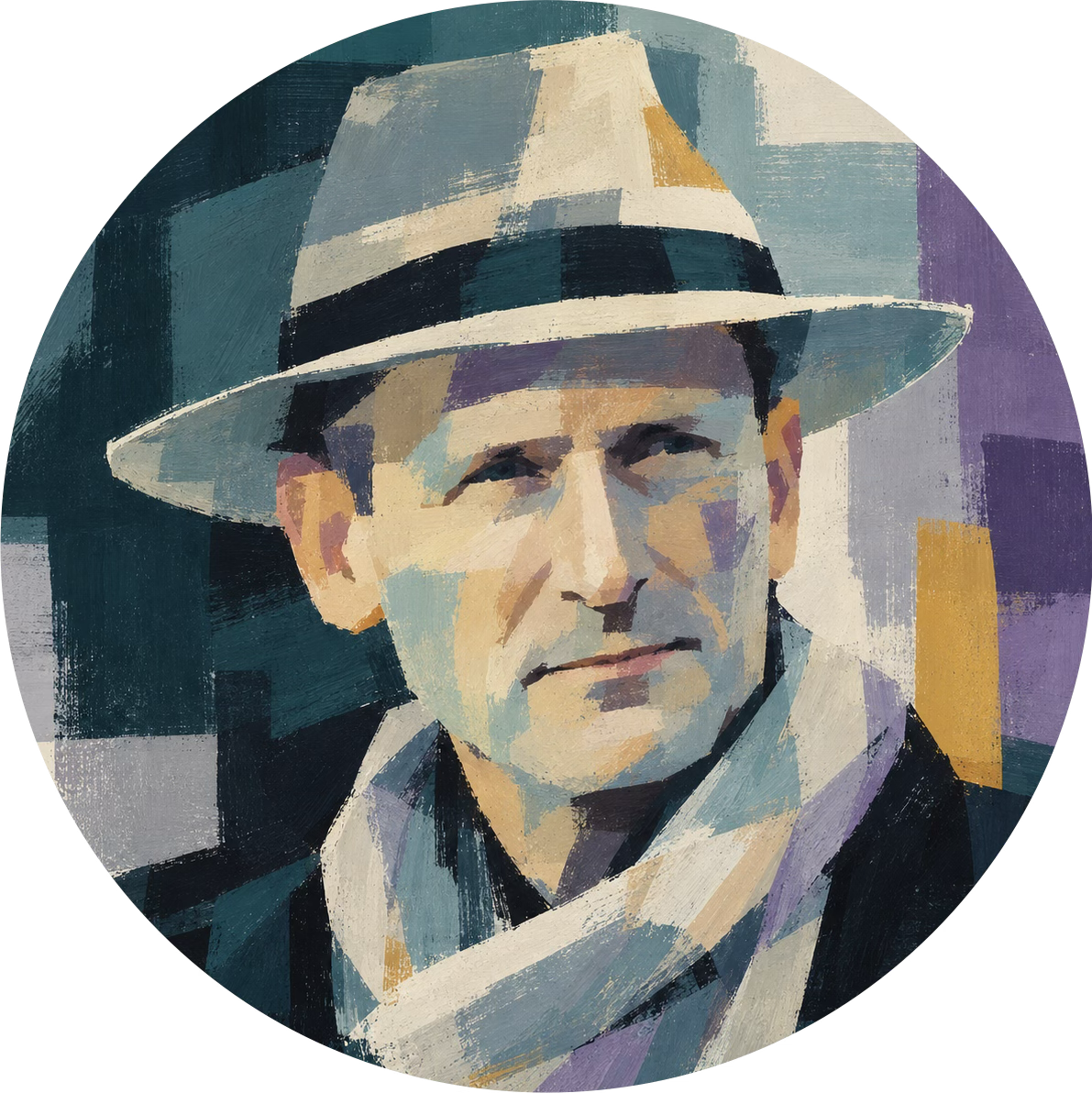
ABOUT ARJEN BONSING
For more than three decades, I have worked at the intersection of business, technology and organizational transformation.
I began in retail, learning how people make choices and how organizations respond to them. As e-commerce emerged, I helped shape its development in the Netherlands. I later developed models for understanding and improving customer interaction across channels, including a benchmarking approach acquired by Boston Consulting Group.
That experience taught me to look beyond individual technologies. Progress depends on how an organization brings its ambitions, people, knowledge and ways of working together. Today, I apply that perspective to AI through the AI Empowerment System. HumainTouch is where I explore the wider human questions behind it.
-
I began in fashion retail, where I learned to observe how people make choices and how a business responds to them. At Amici, I worked on an early database marketing programme that connected customer information with sales and communication. It gave me a lasting interest in the relationship between customer behaviour, organizational decisions and the technology that supports them
-
In the late 1990s, I helped bring fashion retail online, at a time when selling clothing through a website was still an uncertain prospect. I later became involved in the development of e-commerce across the Dutch retail sector, including the founding of Thuiswinkel.org. Those years showed me how a new channel changes more than transactions: it changes customer expectations and the way organizations need to work.
-
As digital commerce grew, I developed the Bonsing|Mann models to help organizations understand and improve customer interaction. They connected strategic choices with observable experience across channels. The aim was to make improvement more concrete: to see where an organization’s intentions reached the customer, where they did not, and what needed to work together more effectively.
-
My work on measuring digital and omnichannel performance led to a benchmarking approach acquired by Boston Consulting Group. It was an important confirmation that customer experience could be examined systematically without losing sight of the business decisions behind it. The experience also strengthened my interest in creating models that others can apply and develop further.
-
At Customer Journey Experts, I extended this work across more than 2,000 checkpoints covering interactions throughout the customer relationship. Research into commerce, service and emerging conversational technology gradually brought AI into focus. I became increasingly interested in how intelligent systems could change the relationship between customers and organizations, and what would be required to make those interactions work well.
-
My work on customer interaction led me to study conversational technology and AI from 2018 onward. As AI became more capable, the questions grew beyond individual customer interactions: what should organizations use this intelligence for, and how can they turn its possibilities into progress?
Drawing on decades of work in retail, e-commerce and organizational change, I developed the AI Empowerment System to address those organizational questions. Through HumainTouch, I explore the wider implications for human ingenuity, purpose and responsibility.